| Warru (Black-footed Rock Wallaby) Recovery Program |
|
|
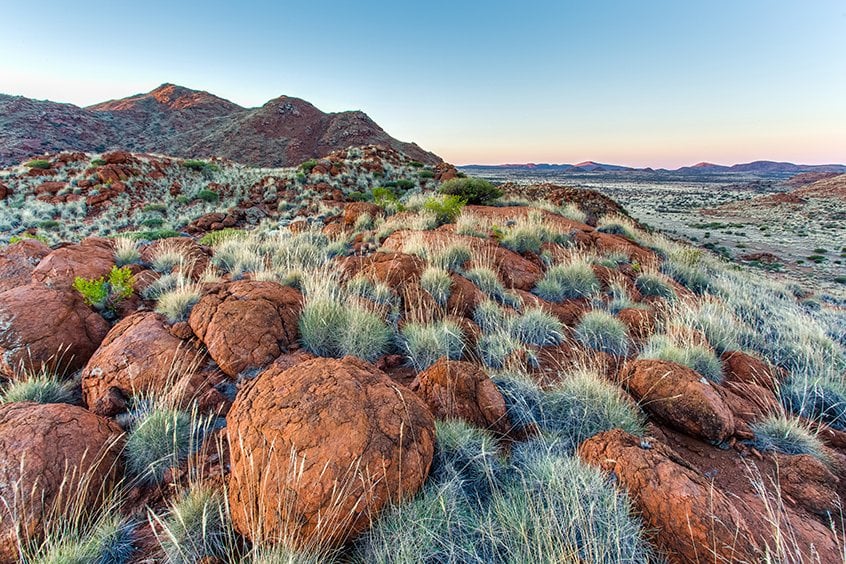
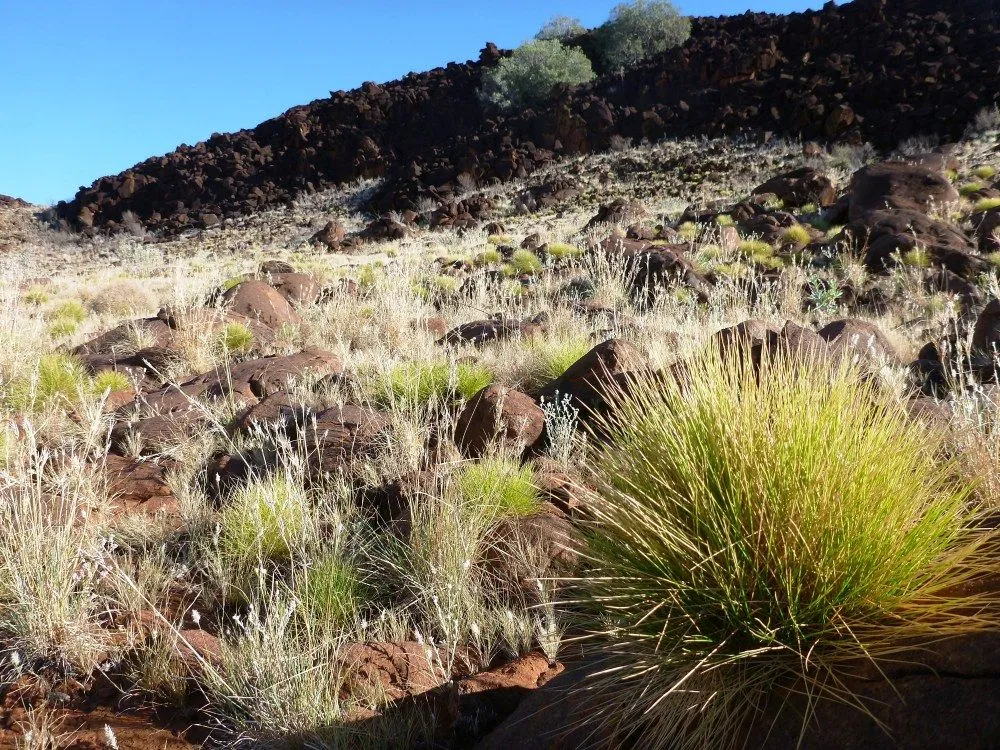
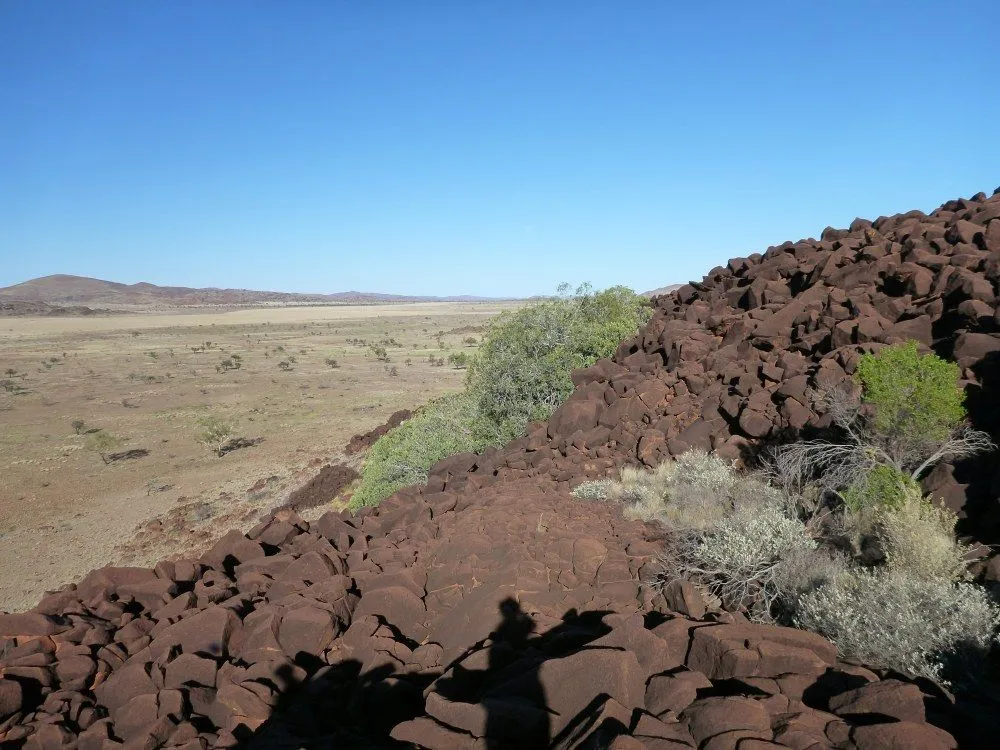
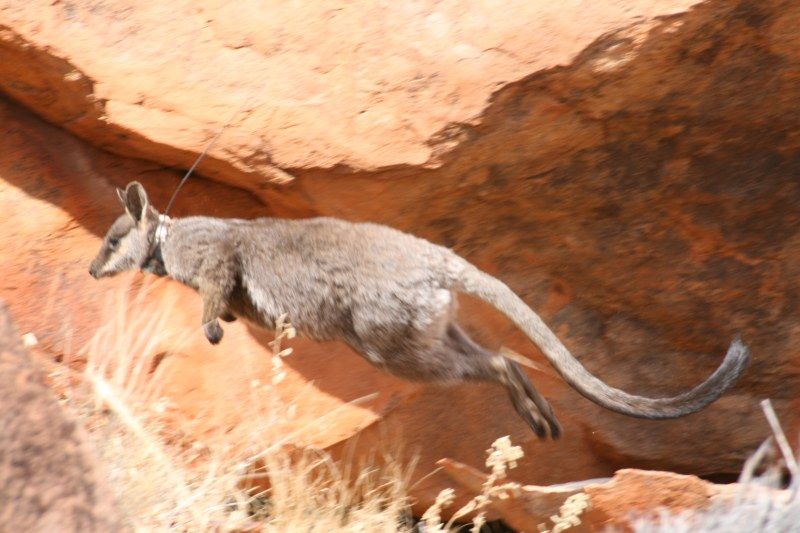
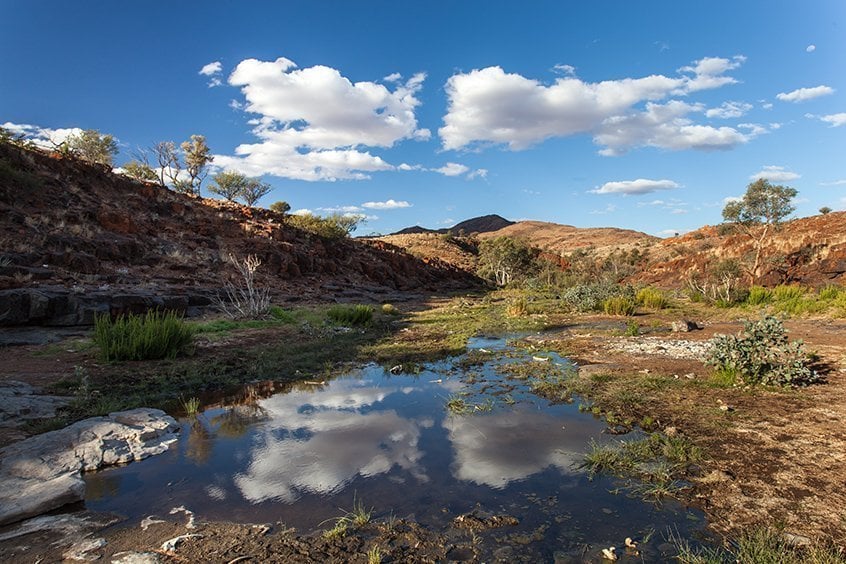
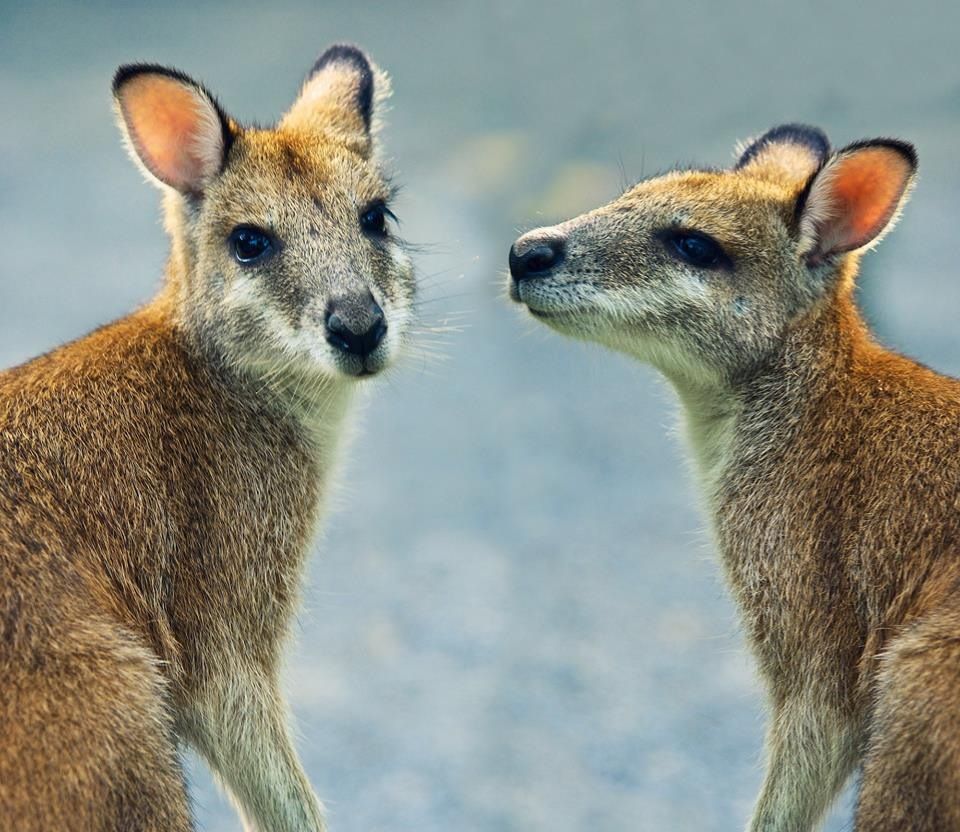
Warru once lived all over the rocky hills of central and western Australia, however due to predation and changes in fire regimes, their numbers have dramatically declined. One small colony is located in the east of the APY Lands in the Musgrave Ranges near Pukatja community and another colony is located in the west in the Tomkinson Ranges near Pipalyatjara and Kalka communities.Since the first biological survey of warru on the APY Lands in 1985, Anangu have shared their knowledge of this species with scientists. Ongoing biological surveys on the APY Lands involving Anangu revealed a rapid decline in warru populations and since 1999, Anangu rangers employed by APY Land Management have worked alongside scientists to reverse the tragic fate of warru on the APY Lands. At present APY Land Management has 2 project officers, 12 permanent and several casual rangers employed under the Warru Recovery Project. One team of warru rangers is responsible for the monitoring activities of the Tomkinson Ranges warru colony, another is responsible for monitoring activities of the Musgrave Ranges warru colony and a third ranger team is responsible for the management of the captive bred warru population. All Warru Rangers are trained in the use of radio tracking equipment and have been monitoring in-situ warru populations on the APY Lands for the past 4 years. To date, warru recovery has involved trapping warru to conduct health checks, using radio collars to monitor warru survival rates, conducting warru scat surveys, patchburning, tracking and predator baiting in existing warru habitats. Warru Rangers have also participated in various training workshops at Monarto Zoo, contributed to university research, and presented at the 2010 Australian Mammalian Society Conference and the 2010 Ecological Society of Australia Conference. In 2007, an official steering committee called the Warru Recovery Team was formed to assist in the management of warru recovery. Today the Warru Recovery Team consists of ecologists from various organisations such as Department of Environment and Natural Resources (DENR), Australian Government Working on Country (WOC), Alinytjara Wilurara Natural Resources Management (AWNRM), Conservation Ark (Zoos South Australia), the University of Adelaide, Ecological Horizons, APY Land Management and the broader Anangu community. The Warru Recovery Team holds regular teleconference and on-site meetings in order to apply a collaborative decision making approach with Anangu. Between 2007 and 2009, 22 warru joeys were taken to Monarto Zoo in order to establish a captive warru population. The warru joeys were cross fostered with captive yellow-footed rock wallabies and have since matured and had joeys of their own. Since the first translocation of warru joeys in 2007, Anangu have worked with APY Land Management and the rest of the Warru Recovery Team to select a site suitable for the construction of a predator exclosure that would allow the captive bred warru to harden off and adapt to their natural environment. Eventually the warru will be released across particular sites across the APY Lands. The Warru Recovery Team combined traditional ecological knowledge of Anangu with contemporary scientific methods to assess 25 potential hardening off sites across the APY Lands. In February 2010, Donalds Well which is approximately 35km from Pukatja community and the Musgrave Ranges warru colony, was selected as the preferred site for the construction of the exclosure that would be built and managed by the Warru Rangers. The predator exclosure often referred to as ‘warru pintji’ by Anangu, was modelled on the Arid Recovery fence at Roxby Downs, SA. Fence construction began in June 2010 and involved a total of 14 Anangu community members who worked throughout the cold wet winter months to install 4.359km of fencing. The fencing staff were mentored and supervised by an experienced fencing contractor, Rob Price, and all Anangu involved in the construction are now equipped with the skills to perform ongoing fence maintenance without supervision. Since March 2011, 11 warru have been released into the “warru pintji” and their health is continuously monitored by the warru rangers. For further information contact Jasmina Muhic, Warru Reintroduction Officer - 8954 8173 / This e-mail address is being protected from spambots. You need JavaScript enabled to view it . Useful Links Warru news http://www.abc.net.au/news/2011-07-29/community-pitches-in-to-save-endangered-wallabies/2816812 http://www.news.com.au/endangered-wallabies-bouncing-back-in-far-north/story-e6frea83-1226031009238 http://www.couriermail.com.au/ipad/outback-rain-rejuvenates-far-north/story-fn6ck4a4-1226032518159 http://www.environment.sa.gov.au/Home/Full_newsevents_listing/News_Events_Listing/110331-wallabiesreleased http://www.saalnrm.sa.gov.au/Portals/8/pdf/Newsletters/ato_april2011.pdf http://www.environment.gov.au/about/media/dept-mr/dept-mr20110329.html http://www.papertracker.com.au/index.php?option=com_content&task=view&id=189&Itemid=1 http://www.abc.net.au/landline/content/2006/s2176117.htm http://www.naturefoundation.org.au/Documents/newsletters/NF_Spring_08.pdf Video & audio http://video.adelaidenow.com.au/1864996769/Back-to-nature http://www.postcards-sa.com.au/features2010/wallaby_project.html http://blogs.abc.net.au/sa/2011/03/warru-wallaby-release.html?site=eyre&program=north_and_west_sa_mornings Warru Recovery Project information http://environment.gov.au/indigenous/workingoncountry/index.html http://www.environment.gov.au/cgi-bin/sprat/public/publicspecies.pl?taxon_id=66649#recovery_plan_loop http://www.adelaidezoo.com.au/conservation-ark/conservation/conservation-programs?program=Black-flanked%20rock-wallaby%20%28Warru%29 http://www.zoossa.com.au/conservation-ark/research/projects?project=Ecology of warru (black-footed rock-wallaby) in the Anangu Pitjantjatjara Yankunytjatjara (APY) Lands http://www.environment.gov.au/indigenous/workingoncountry/photo-competition/gallery.html#pic12 The Warru Recovery Team wins the 2011 National NAIDOC Caring for Country Award http://www.naidoc.org.au/naidoc-awards/winners-profiles/ |


Warru once lived all over the rocky hills of central and western Australia, however due to predation and changes in fire regimes, their numbers have dramatically declined. One small colony is located in the east of the APY Lands in the Musgrave Ranges near Pukatja community and another colony is located in the west in the Tomkinson Ranges near Pipalyatjara and Kalka communities.