| Traditional Land Management |
|
|
|
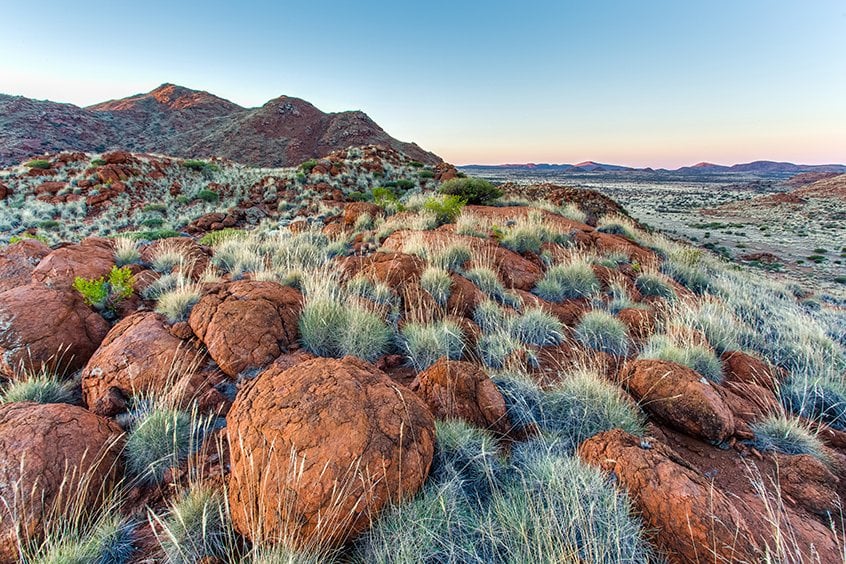
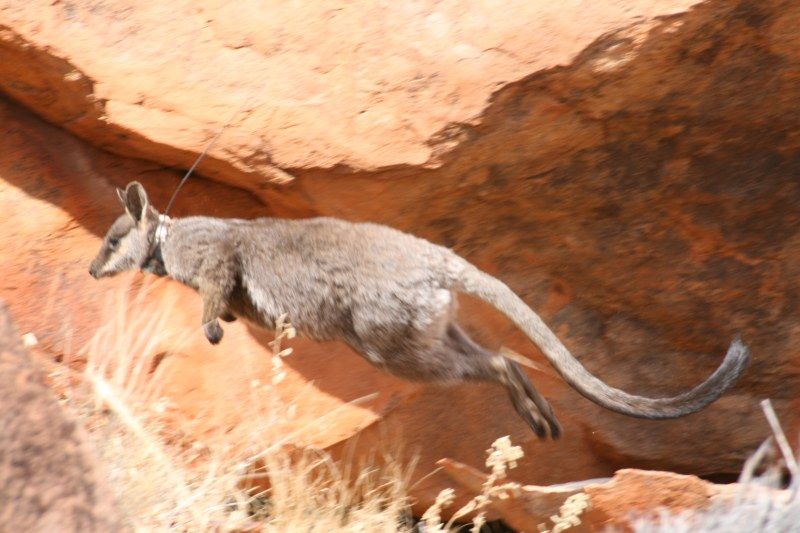
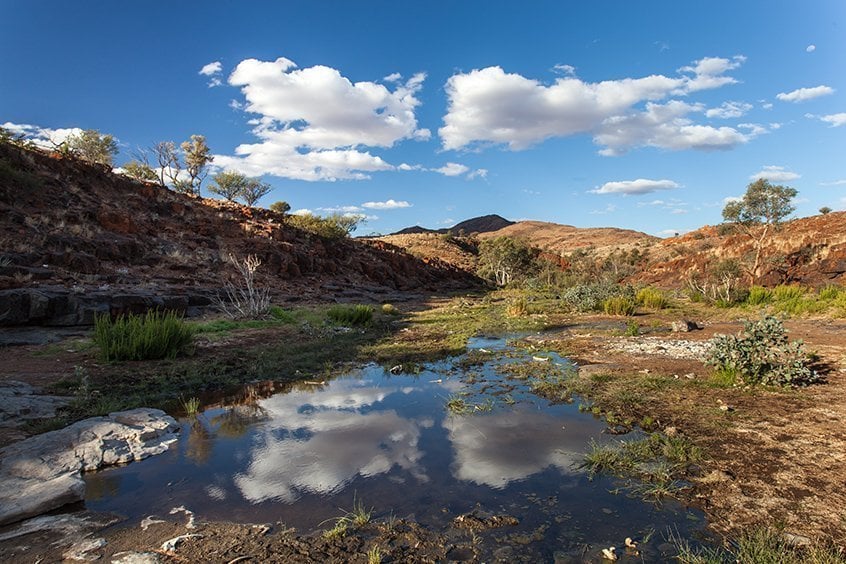
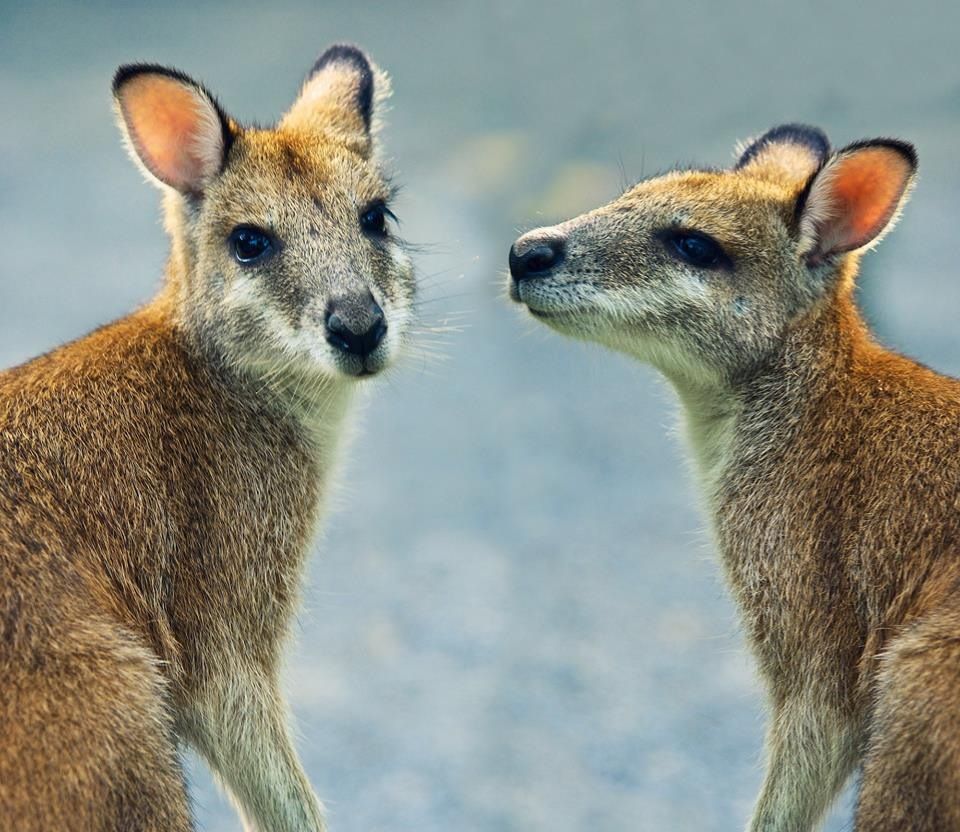
Caring for our Country with Fire Fire has always been used to care for country in the Anangu Pitjantjatjara Yankunytjatjara Lands. In recent years, changes to the environment, reduced access to country and the encroachment of buffel grass have substantially altered the fire patterns and increased the potential for damaging wildfires. Anangu Pitjantjatjara Yankunytjatjara contracted a fire management strategy in 2004 that recommended that regional operational fire plans be developed but this has never been implemented through lack of funding and resources. In March 2009, APY Land Management, assisted by Desert Wildlife Services, conducted fire planning with traditional owners from the Mann Ranges Fire Management Region (FMR) and the Musgrave Ranges FMR. Trial burning activities were undertaken in the cooler months of the year to reduce fuel loads without significant risk to property or culturally and biologically significant sites. This project was supported through funding from the Australian Government's Caring for our Country and the Indigenous Land Corporation. Fire plan documents can be downloaded via links below. The Mann and Musgrave Ranges FMR’s support key threatened species, including the Black-flanked Rock-wallaby, Orange-crowned Toadlet, Basedowia tenerrima, Goodenia brunnea, and Acacia tenuior. Increasing homogeneity in grasslands dominated by Spinifex or the introduced buffel grass, proximity to large communities (Pipalyatjara, Pukatja and Amata), and the need to engage young people in fire management work heighten the need to revive burning activities. This work will link with fire management conducted by Central Land Council in the proposed Petermann IPA which is located in the Northern Territory, adjacent to the Mann Ranges FMR. Appropriate planning is essential before burning is undertaken to prevent fires getting out of control. APY Land Management’s long term aim is to employ a fire management officer and seasonal Anangu fire rangers for each of the 10 fire management regions (FMR) outlined in the 2004 strategy. Groundwater Monitoring Groundwater monitoring is a primary component of managing water resources in this dry land where water from underground aquifers is almost always the only source of water for human use. Groundwater monitoring consists of measurements of distance to water under the ground, and chemical and microbiological analysis of water samples collected from the groundwater resources. Funding was provided by NHT through grants administered by the Alinytjara Wilurara Natural Resources Management Board. This project is successor to Kapi Atunmankupayi, Looking after water on the Anangu Pitjantjatjara Yankunytjatjara Lands and was to be implemented in 2007/2008. However funding was received in 2008/2009 and work completed in this period. Importantly the funding was cut by $100,000 by the AW NRM Board and there is no further funding in 2009/2010. Tony Davies Consulting provided field services to APYLM and:
|


Fire has always been used to care for country in the A
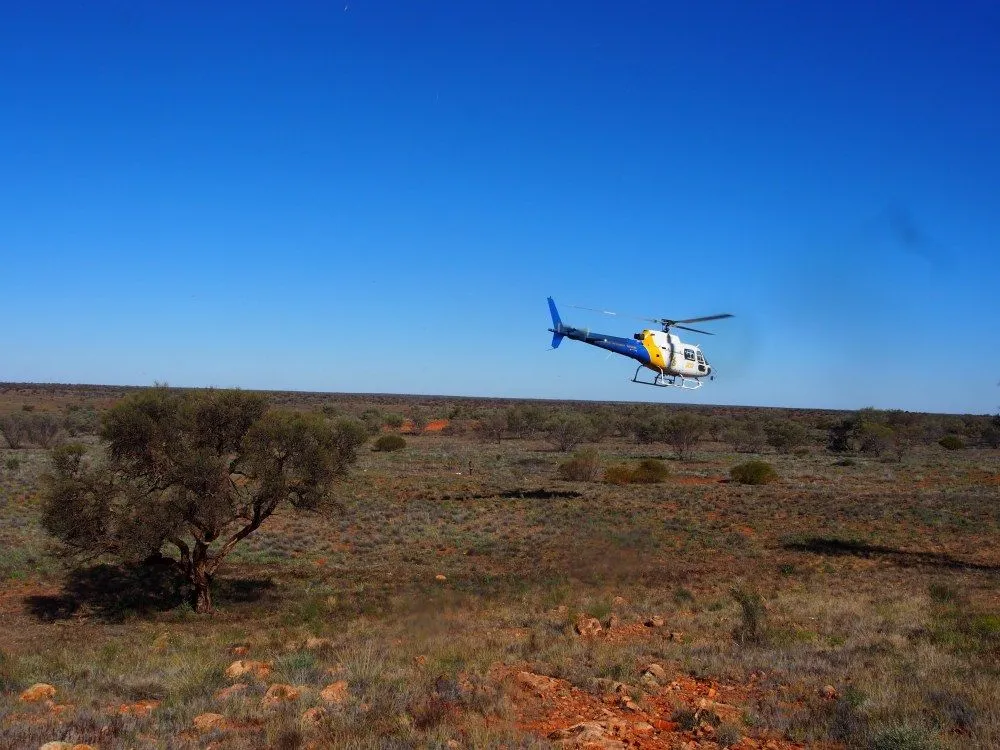
Groundwater monitoring is a primary component of managing water resources in this dry land where water from underground aquifers is almost always the only source of water for human use. Groundwater monitoring consists of measurements of distance to water under the ground, and chemical and microbiological analysis of water samples collected from the groundwater resources.